Programs

Metabolomics programs that find your bioactives in 4–6 weeks

Every project is scoped with you. You work with me and my scientific team directly from the first call to the final readout.

1,012
annotated compounds
10
superclasses
50
classes
141
subclasses
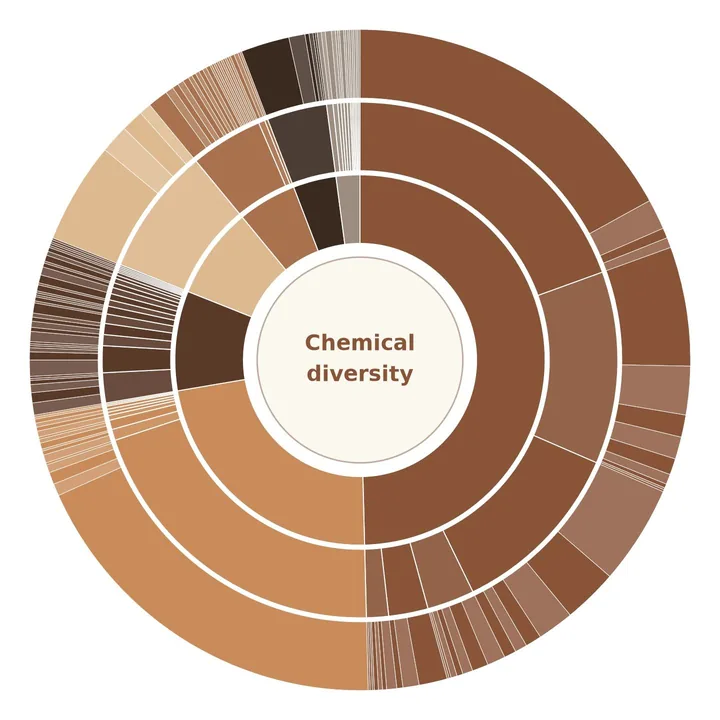
Ring chart of an ingredient's chemical diversity by superclass, class and subclass, in brown shades

Vast chemical diversity across 10 mushroom species. The annotated compounds span 10 chemical superclasses, with lipids the largest family and the rest spread across nine others.

Inner ring: superclass. Outer ring: class. Segment width: number of annotated compounds.

  • Lipids and lipid-like molecules502
  • Organic acids and derivatives230
  • Organoheterocyclic compounds88
  • Organic oxygen compounds81
  • Benzenoids52
  • Organic nitrogen compounds38
  • Other (4 superclasses)21

Data from our work with M2 Ingredients, 10 mushroom species.

Reading the data

What the chemical diversity wheel shows

The chemistry of 10 mushroom species, mapped by chemical family, and why it matters for your product.

Breadth

The chemistry is vast

Across 10 mushroom species, the annotated compounds fall into 10 superclasses and 50 classes. About half are lipids, and the rest span organic acids, heterocycles, benzenoids, nitrogen and sulfur compounds. A single platform or marker assay sees only a slice of this.

Depth

Each family holds many distinct compounds

The 141 subclasses show how much structure sits inside every family. A marker assay cannot resolve it, and a certificate of analysis does not report it.

Impact

From a map to evidence for your product

The wheel is the map. Our atlas places every compound on it, and the bioactive subset marks those with published evidence and a level of certainty, ready for R&D, formulation and the product story.

Data from our work with M2 Ingredients across 10 mushroom species. These are detection-level findings, not claims about how a compound acts.

What is bioactive discovery?

Bioactives are the secondary metabolites that published research associates with health: polyphenols, alkaloids, terpenoids, glycosides. Most are not on your label. Most are uncharacterized in public databases. We find them and show you which are worth building a story around.

Outputs

Core outputs

Comprehensive molecular atlas

A searchable, annotated atlas of the small molecules in your ingredient, spanning polar, semi-polar and non-polar chemistry, including lipids.

Annotated bioactive compounds

A subset of the atlas: compounds with potential health relevance, each annotated to health areas and supported by published literature, from in vitro and preclinical studies to clinical data, with an assigned level of evidence.

Interactive data dashboard

Spectra, annotations, all relevant chromatographic data, links to published literature and clinical data where available, and the bioactive benefits of each compound. Complete metadata supports cross-validation and method transfer to pilot scale.

Scientific readout

A written summary of findings and a live session with your R&D and commercial teams on what the data mean for your product.

Optional: quantification for the compounds you choose, in ppm or mg, scoped separately.

Our programs

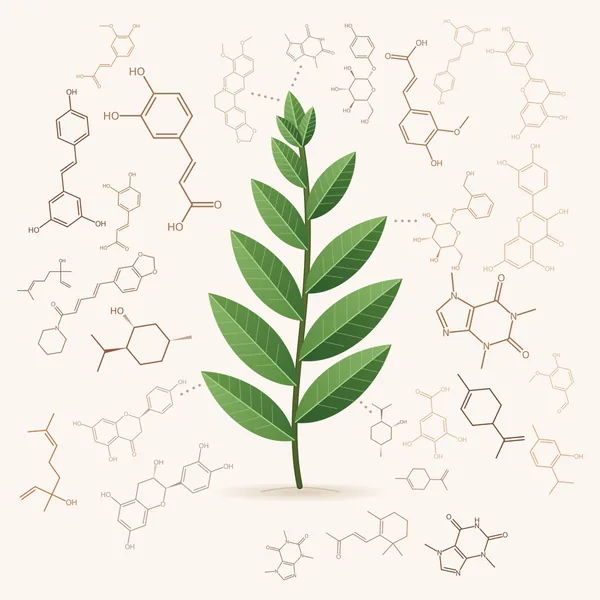
Illustration of a plant surrounded by floating molecular structures of polyphenols and alkaloids.
Program 01

Plant Profiling Program

For botanicals, mushrooms, herbs and extracts. We measure far more molecules per sample than a certificate of analysis lists, without guessing in advance what to look for, and compare species, varieties, suppliers or processes side by side.

  • A full compound list, with our confidence in each
  • Every compound checked against leading natural product and food databases and published research
  • A plain-language readout of what makes each sample different
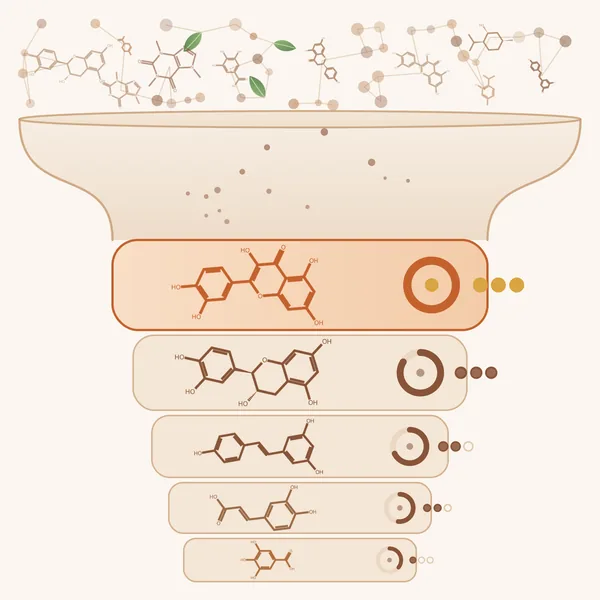
Compounds funnel down into a ranked ladder of five molecules, strongest evidence first.
Program 02

Bioactive Discovery Program

For ingredient and product differentiation. We go from "what is in it" to "what it can mean for your customers." Compounds are ranked by the strength of published human evidence.

  • The bioactives, with the level of evidence for each
  • The benefit areas worth exploring, with the studies behind them
  • How your ingredient compares with others in its category
  • Evidence your sales and marketing teams can use
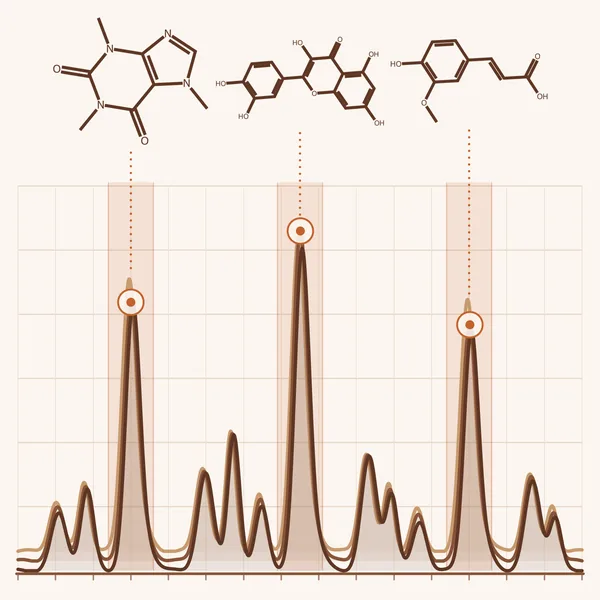
Three overlaid chromatogram traces align on highlighted marker peaks above marker molecules.
Program 03

Marker & Standardization Program

For quality, standardization and new products. We pick the compounds that best show your ingredient is authentic and consistent.

  • The right markers, chosen from your full chemical map
  • Precise tests for those markers
  • Consistency checks across batches and suppliers
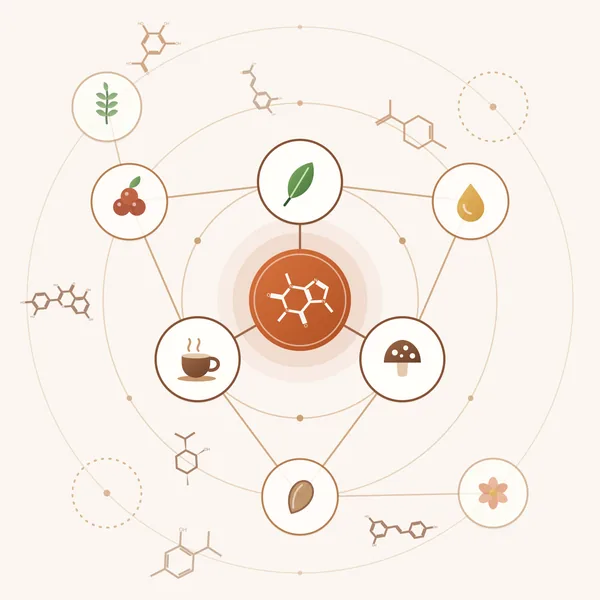
Network of ingredient icons orbiting a central hub, with new ingredients added outward.
Program 04

Enterprise Partnership

For companies with a growing portfolio. Every new ingredient builds on the last, and your team has a discovery partner on call.

  • Annual program planning across your pipeline
  • Support for publications, trade media and conference work

Health areas we annotate:

  • cognitive and brain health
  • metabolic health
  • heart health
  • gut health
  • eye health
  • skin health
  • immune health
  • bone and joint health
  • healthy aging and cellular protection

This describes what published research associates with these compounds. It is not a claim that your ingredient has these effects.

Why you can trust the data

Three complementary workflows capture the depth and breadth of an ingredient's bioactives. A single platform sees only a fraction.

Replicate-verified.

We check findings across repeated measurements before we report them.

Evidence shown, not hidden.

Every health-area link carries its evidence level.

Complete metadata.

The dashboard exposes the metadata behind every result, so your team can cross-validate.

Peer-reviewed track record.

Our beverage and almond work is published.

How it works

From first call to readout in 4–6 weeks.

  1. Discovery call. 30 minutes on your ingredients, goals and questions. Under NDA if you prefer.

  2. Scope and plan. A clear proposal with samples, deliverables and a 4–6 week timeline from project start.

  3. Lab work. State-of-the-art mass spectrometry on Tribrid instruments with deep scan technology, which gives a high discovery rate. We run your samples through three complementary workflows.

  4. Finding the bioactives. We identify the compounds, check them against databases and research, and assign a level of evidence to each.

  5. Readout workshop. A live session with your R&D and commercial teams, plus the full report and data.

How long it takes

4–6 weeks from project start. From samples to molecular atlas, bioactives, dashboard and readout. Fast enough that your team decides while the question is still live. We confirm final timing on the call.

Where we work

Functional mushrooms, botanicals and herbal extracts, cosmetic botanical actives, functional beverages, dairy and food systems, upcycled side streams, and tea and polyphenol ingredients.

Let's talk

Tell me about your ingredients.

Book a discovery call to talk about your ingredient. I'd love to hear about it.